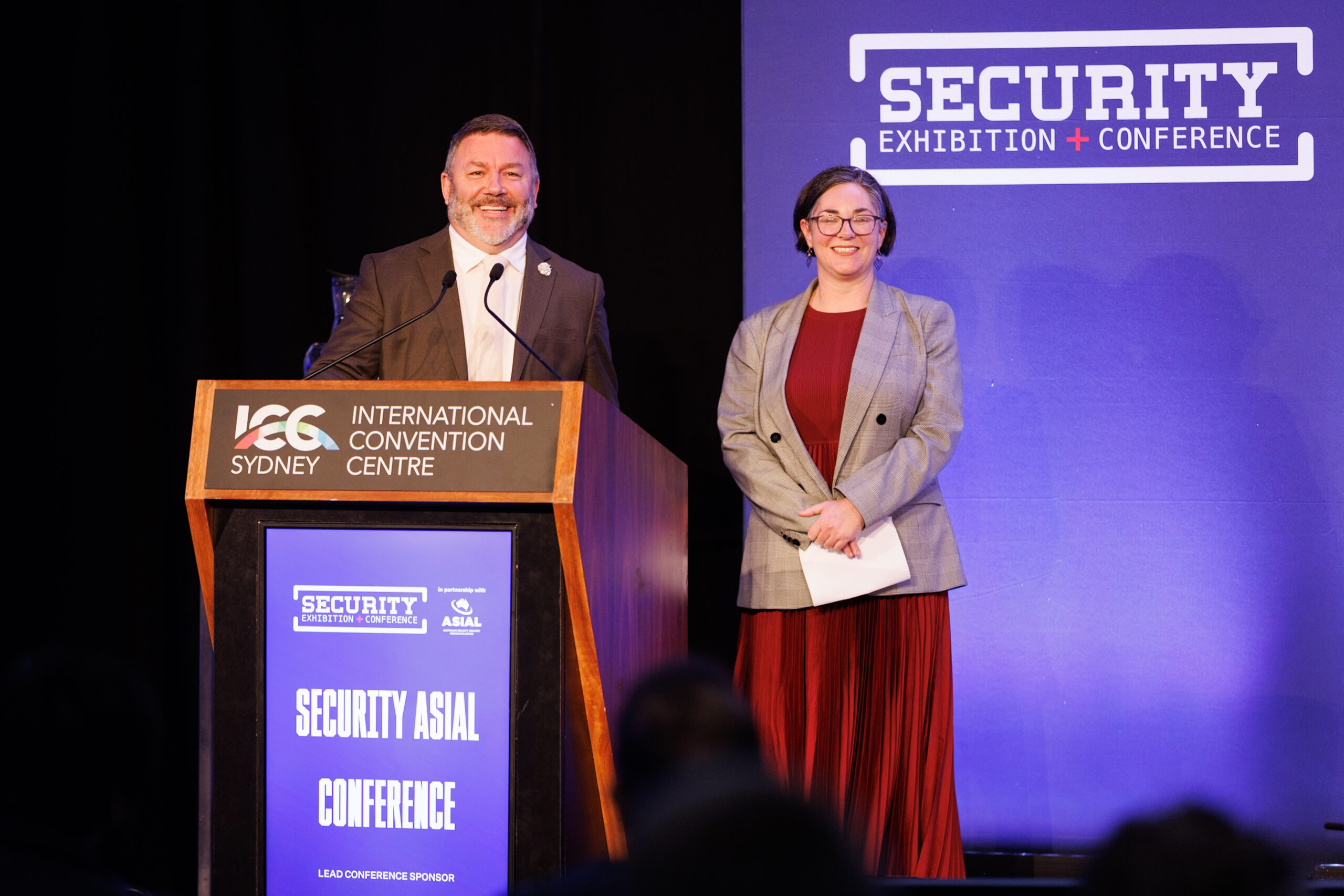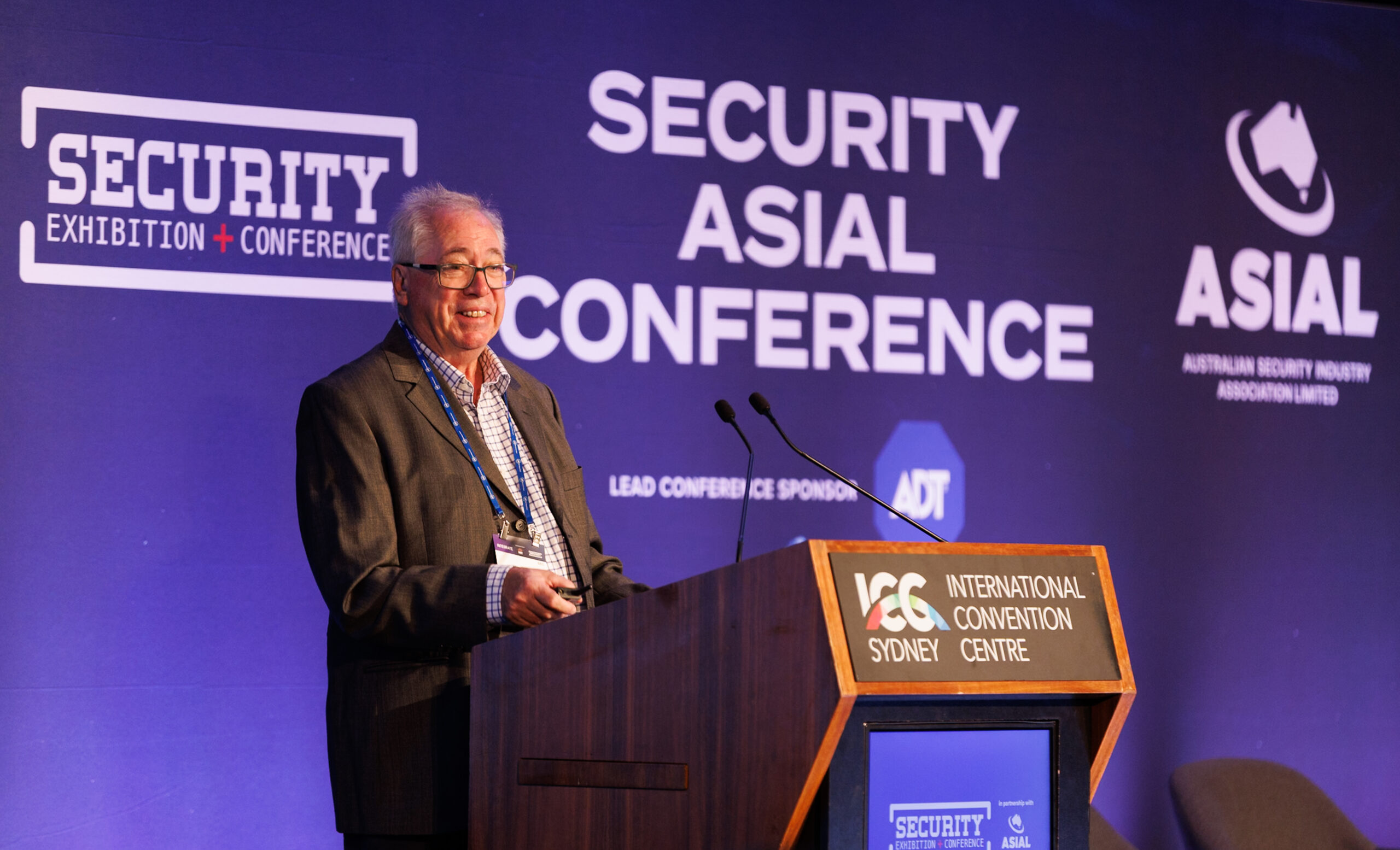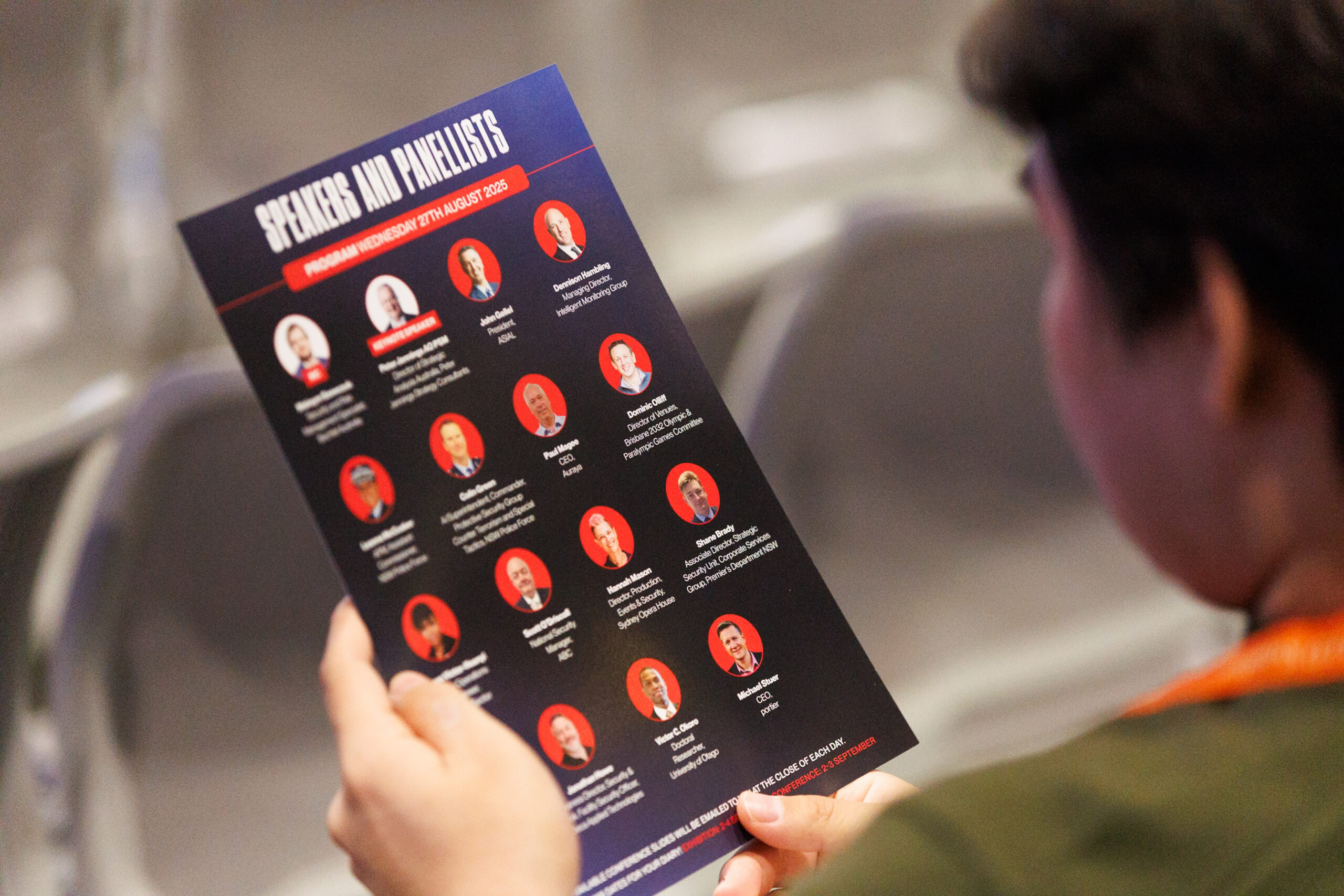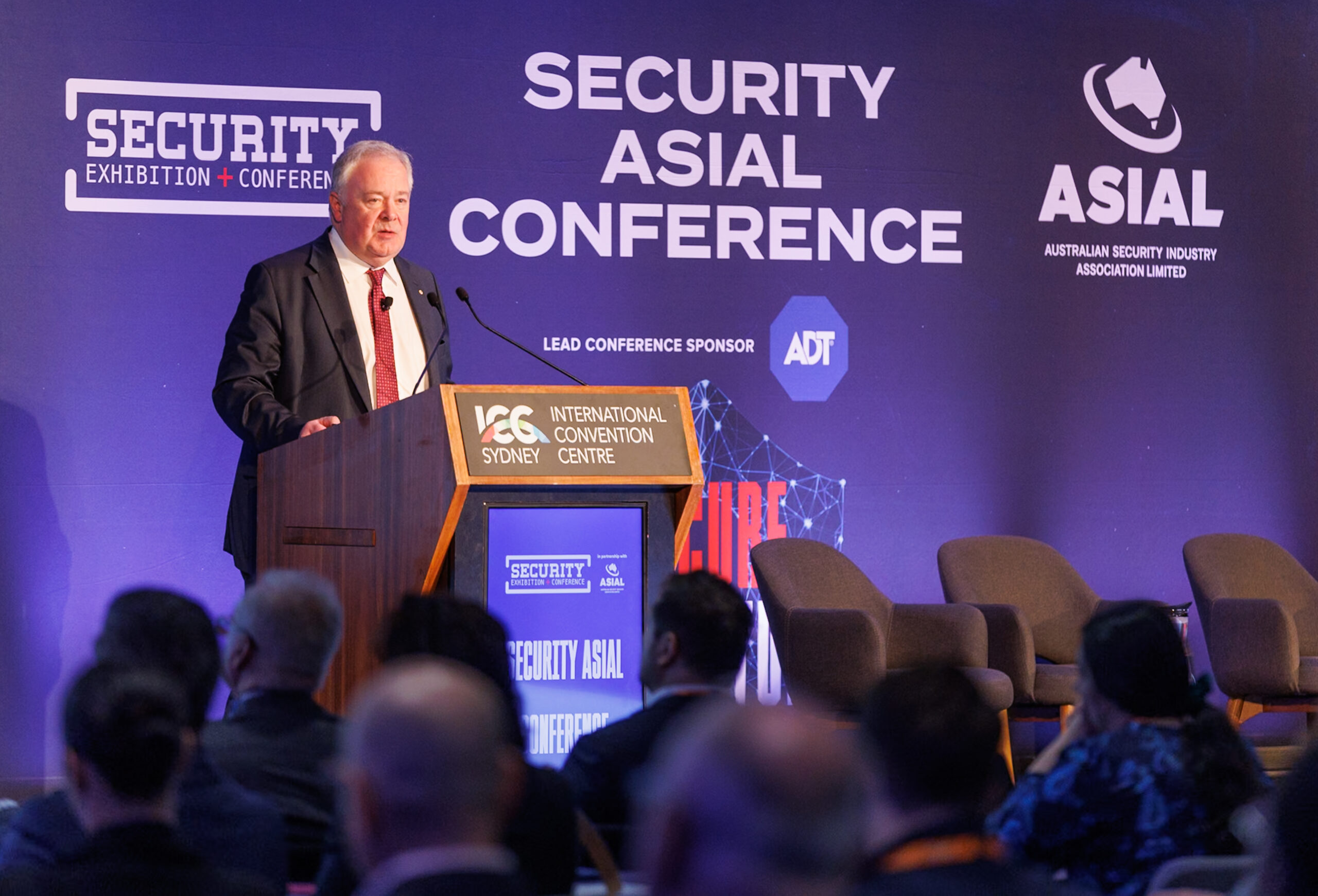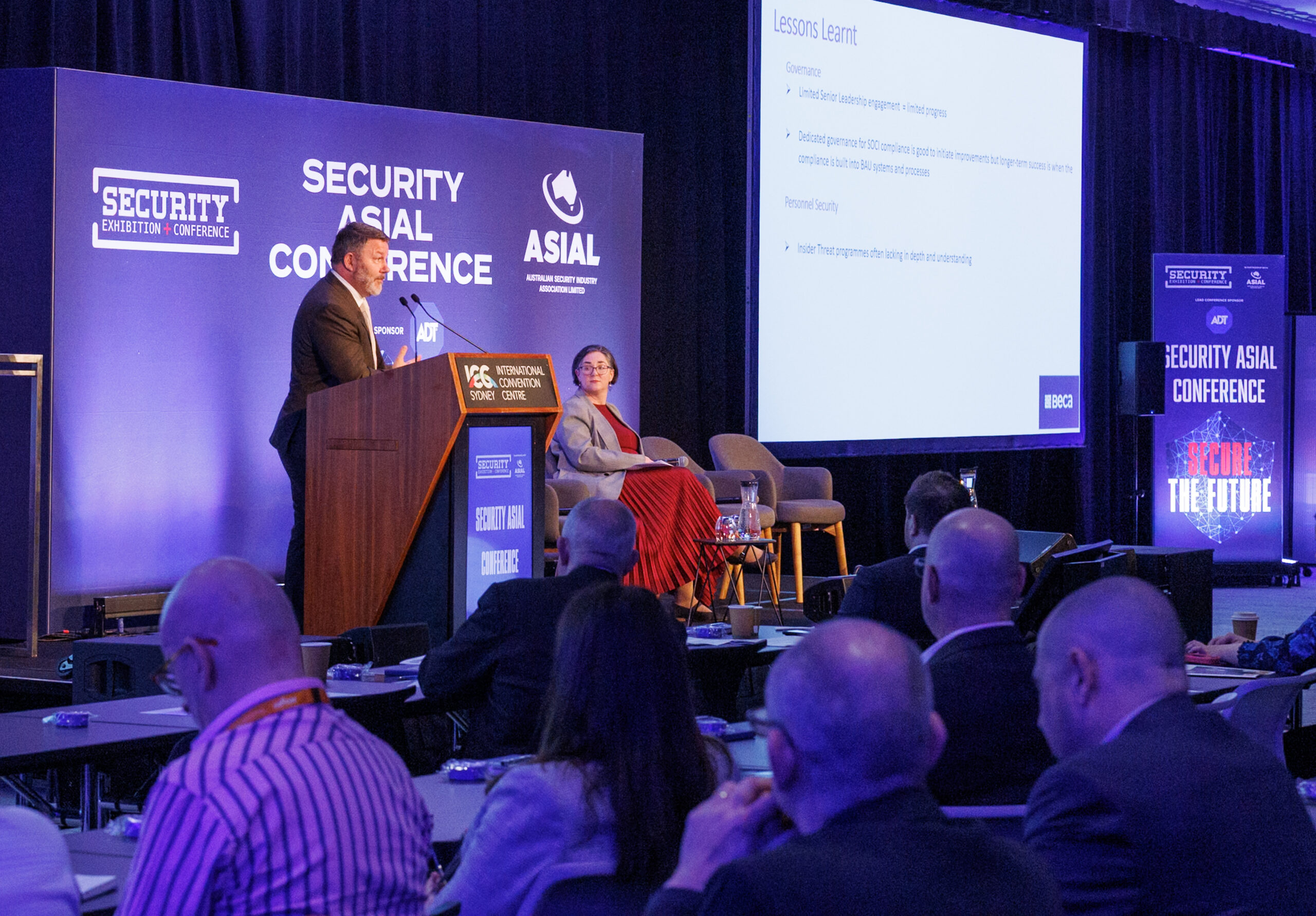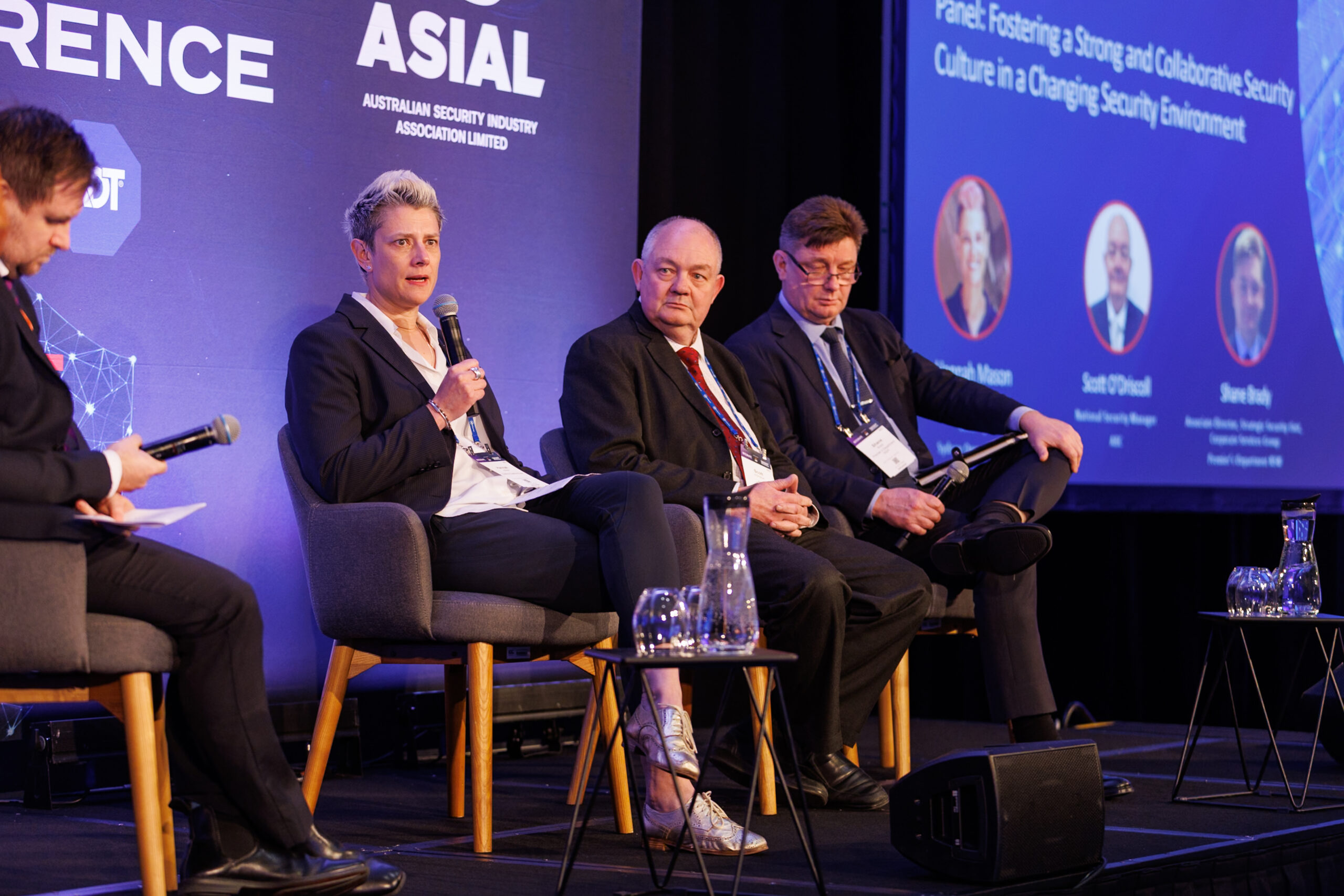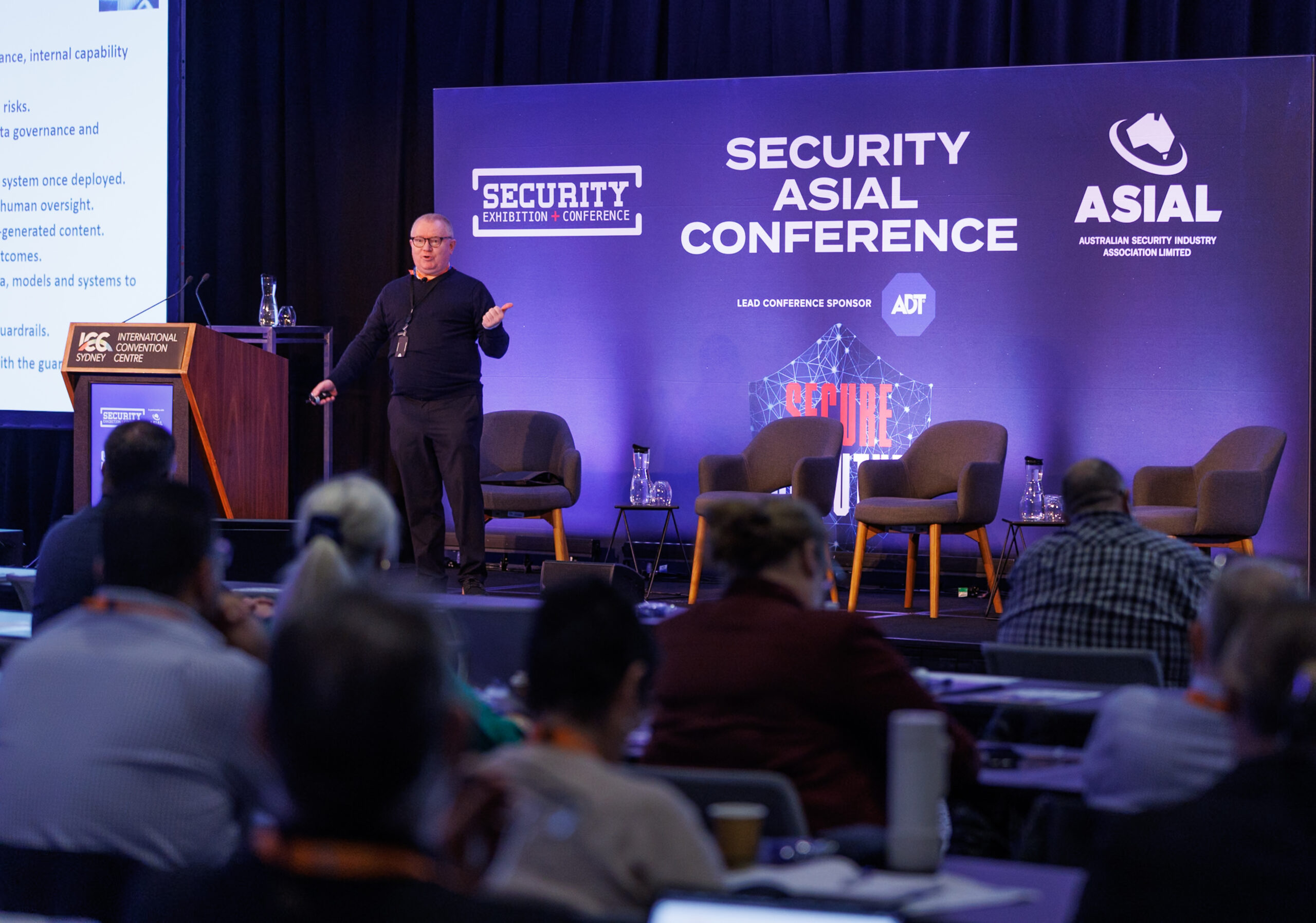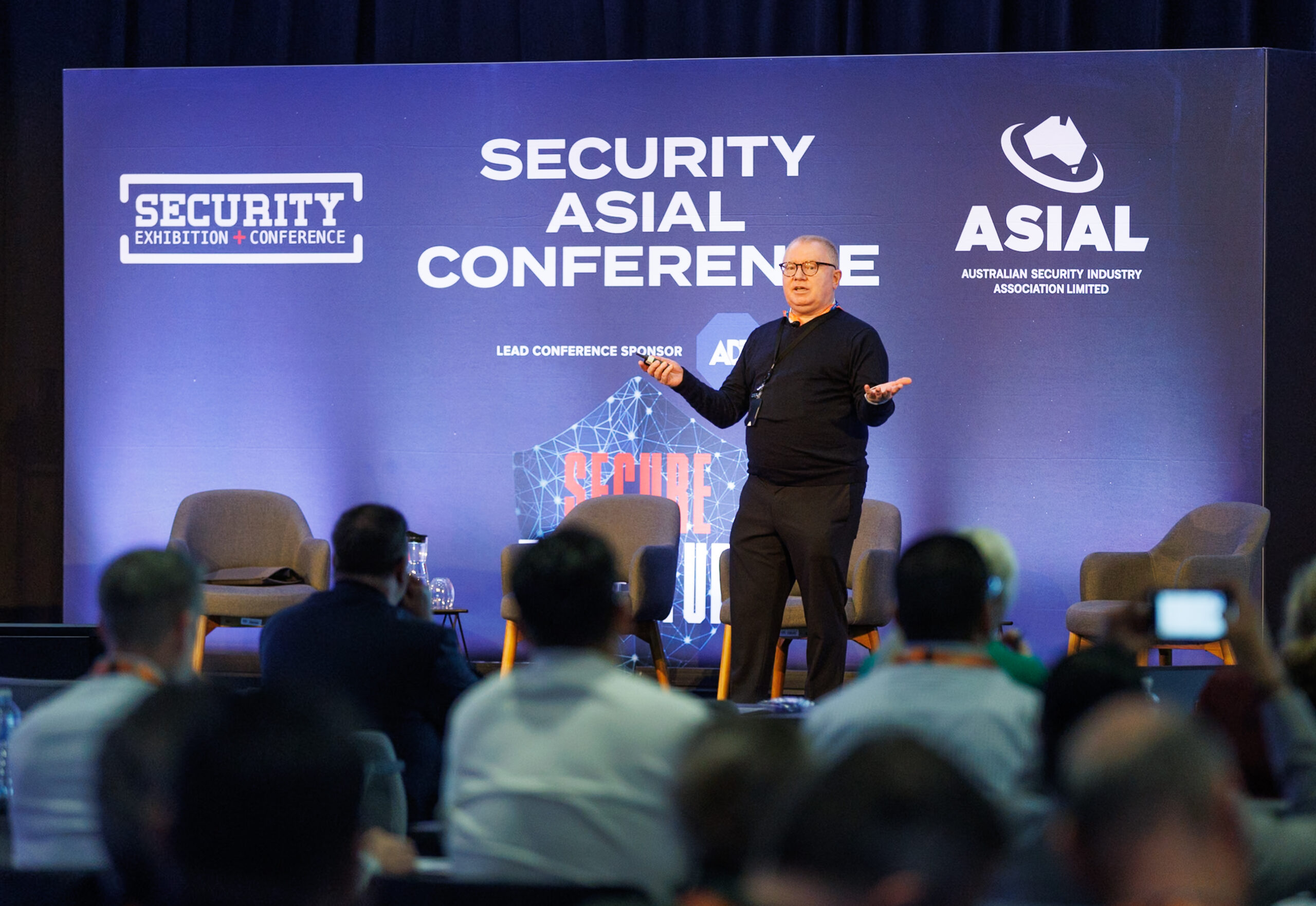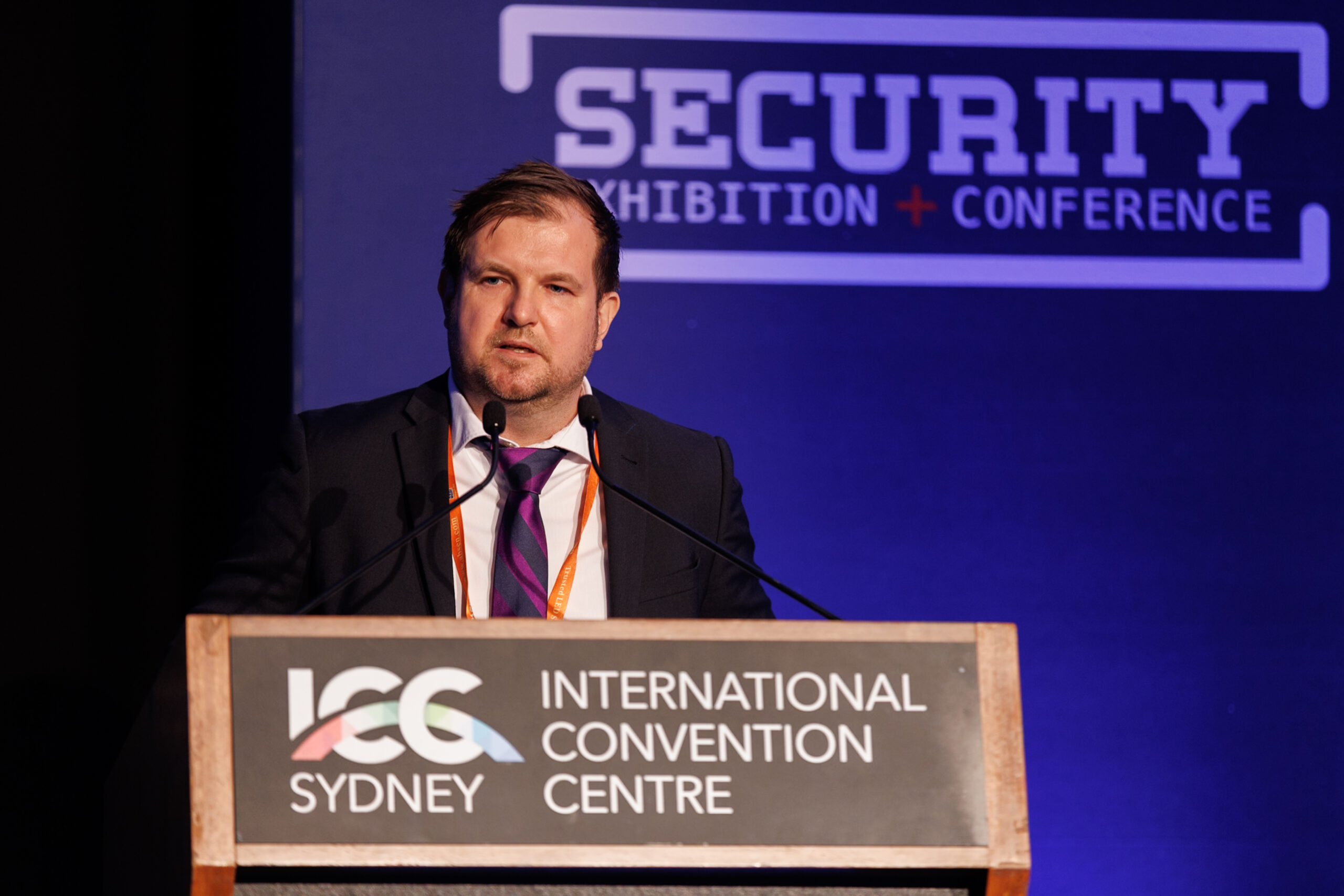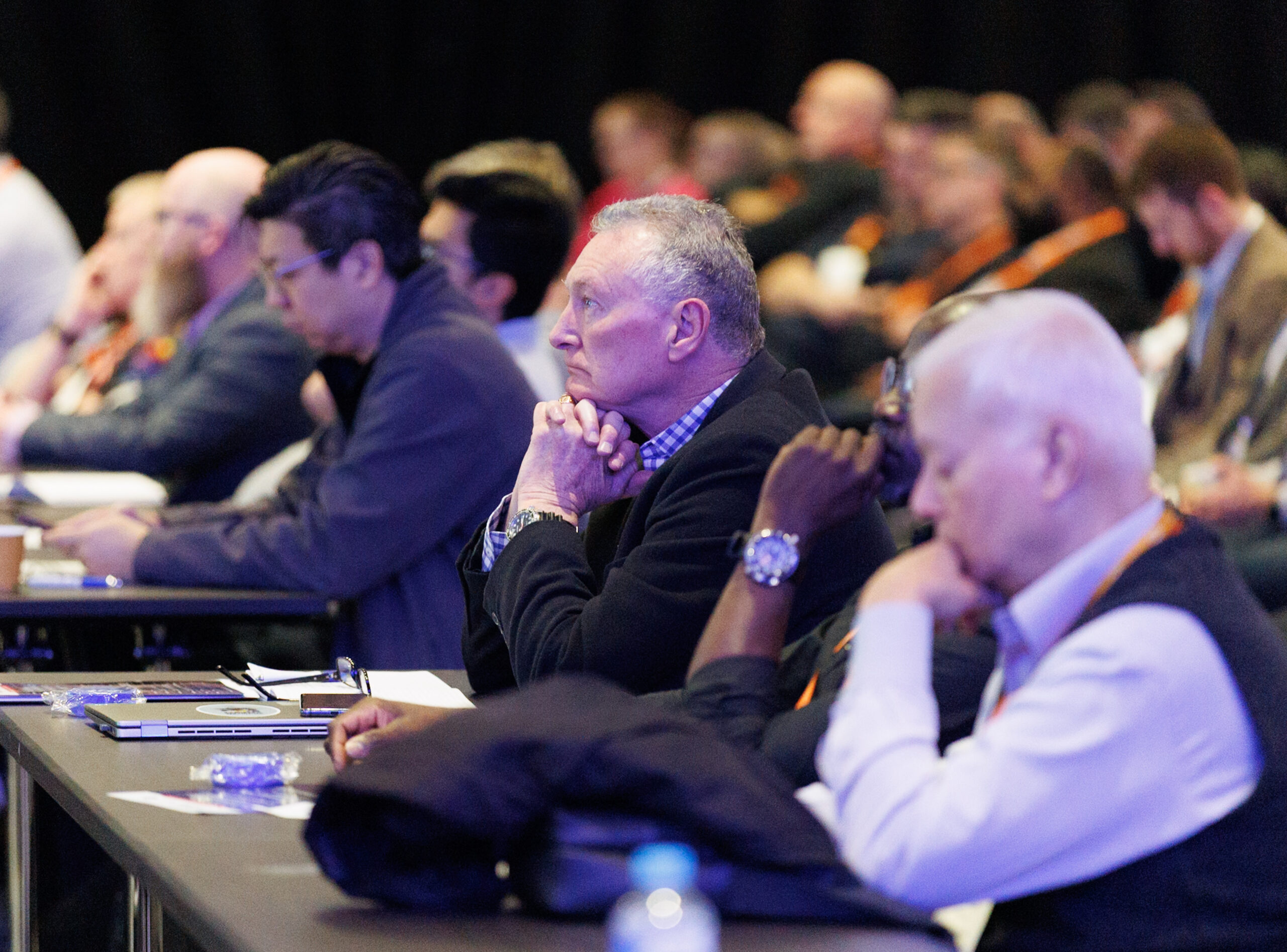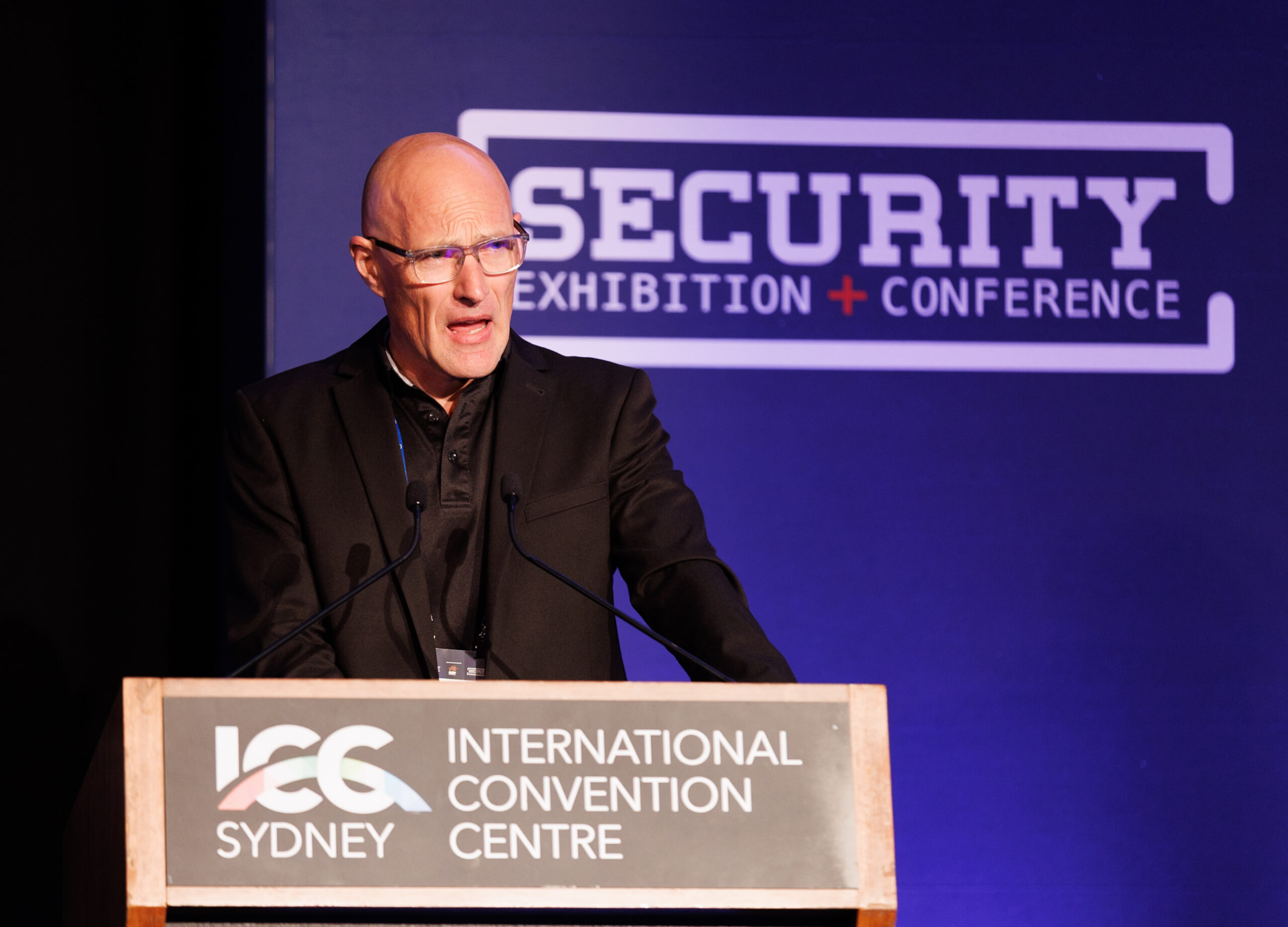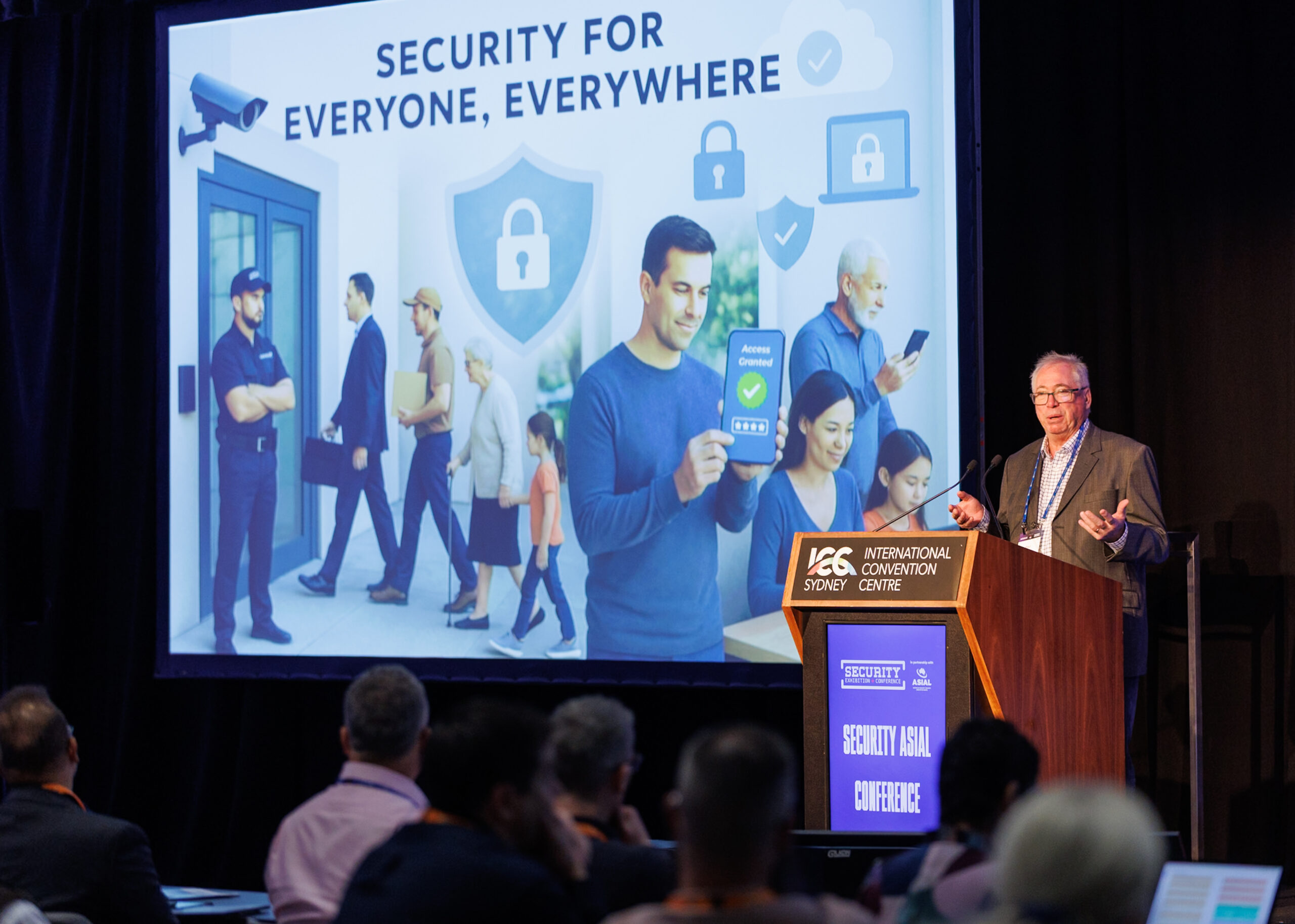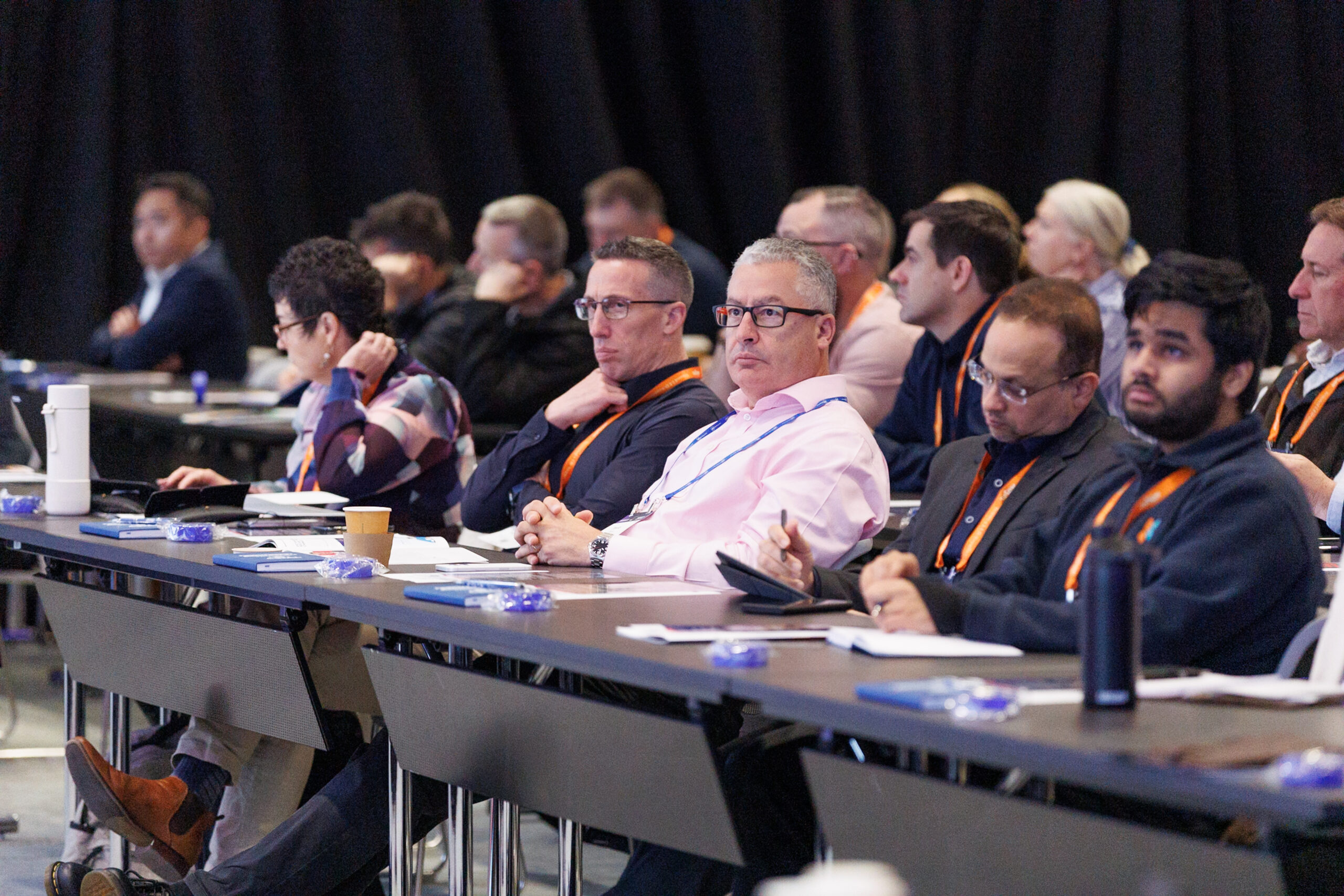
For 40 years, the Security ASIAL Conference has provided expert knowledge to help keep communities safe. The conference underscores the vital role of an innovative and technologically advanced security industry in addressing new security challenges.
As Australia’s security environment intensifies, security leaders are navigating escalating regulatory demands, technological disruption, workforce pressures and evolving threats. The 2027 Security ASIAL Conference will examine how organisations can strengthen operational resilience while remaining agile and future focused. This theme explores practical strategies to build adaptive capability, integrate risk intelligence, leverage emerging technologies and cultivate leadership that thrives in uncertainty. Delegates will gain actionable insights to enhance preparedness and position their organisations to respond decisively in a climate where change is the only certainty.

In an era marked by evolving threats, geopolitical uncertainty, cybercrime, and increasingly complex operational environments, strengthening security posture has become essential to protecting organisations, communities, and national interests. Building effective security intelligence requires the integration of advanced technology, real-time data analysis, risk assessment, and collaborative information sharing to identify vulnerabilities before they escalate into critical incidents. At the same time, national resilience depends on the ability of governments, businesses, and critical infrastructure providers to anticipate disruptions, respond rapidly, and recover effectively from physical, cyber, and environmental threats. By investing in proactive security strategies, skilled personnel, and resilient systems, organisations can enhance situational awareness, improve decision-making, and create a stronger foundation for long-term stability, public safety, and economic continuity.
Geopolitical instability is no longer episodic, it is continuous, concurrent and cascading, and it is increasingly expressed through hybrid threats that blur the line between competition and conflict. For Australia, the risk is not just external aggression but the steady erosion of economic resilience, supply chains and institutional trust through coercion, cyber operations, market manipulation and grey-zone activity.
This presentation argues that Australia’s security now sits at the intersection of national security and economic performance. It will outline how hybrid threats target the systems that sustain national power, energy, critical minerals, food, finance and infrastructure, and why markets alone cannot manage these risks.
The session will set out a practical framework for government and industry to move from awareness to action.


Alastair MacGibbon
Former Special Adviser to the Prime Minister on Cyber Security

Hamish Hansford
Department of Home Affairs, Head of National Security

Dr John Coyne
Director, National Security Program, Australian Strategic Policy Institute

Lauren Campbell
Security Manager, South Bank Corporation
Sessions are structured around eight themes, each reflecting the priorities and pressures facing security practitioners today.
Theme 01
National Security, Geopolitics & Strategic Risk
Theme 02
Critical Infrastructure Protection and the SOCI Landscape
Theme 03
Intelligence Led & Risk Based Security
Theme 04
Technology, AI and the Future Security Stack
Theme 05
Workforce, Leadership and Professionalisation
Theme 06
Emerging Threats and Operational Realities
Theme 07
Commercial Models, Procurement and Industry Economics
Theme 08
Trust, Ethics and Social Licence
ASIAL members receive 10% off conference registrations. When you select “ASIAL Member” at registration, your member rate will be presented on the second page. Please note that other discount codes do not apply to member rates.